A warning is only a beginning.
Everyone deserves a way to reach safety.
Emergency assistance should reach everyone — including those most often left behind. SHONGJOG connects people with accessibility-aware assistance, verified resources, and coordinated field responders during emergencies.
SHONGJOG bridges the gap between emergency warnings and physical rescue through dialect-aware AI, deterministic physical safety constraints, and accountable civil-defense oversight.
Non-Ambulatory Wheelchair Evacuation
4 evacuees (1 wheelchair user). Ground transport with ramp required.
Narrow earthen embankments in southwestern Bangladesh. High-tide storm surges wash out mud tracks within 45 minutes, isolating non-ambulatory residents.
Real Barrier Verification: Why Proximity Never Excuses Inaccessibility
Select a vulnerable household profile below. Observe why generic dispatch models fail by picking closer, inaccessible buildings, and how SHONGJOG enforces 7 hard constraints to guarantee physical safety.
"14-year-old manual wheelchair user with paraplegia and mother. Ground level mud road flooding quickly. Requires step-free boarding and verified 1:12 shelter ramp."
Chalna Primary School (Walk-Up)
Proximity rule violated: Even though this building is 0.8 km away, it has 3 flights of 7-inch concrete steps with no ramp and ground floor is waterlogged. Manual wheelchair evacuation is physically impossible.
Dacope Model Cyclone Shelter
Dispatch this simulation into live database & coordinator queue
Triggers SQLite atomic capacity reservation lock, updates live telemetry, and renders in coordinator dashboard.
Select your response workflow
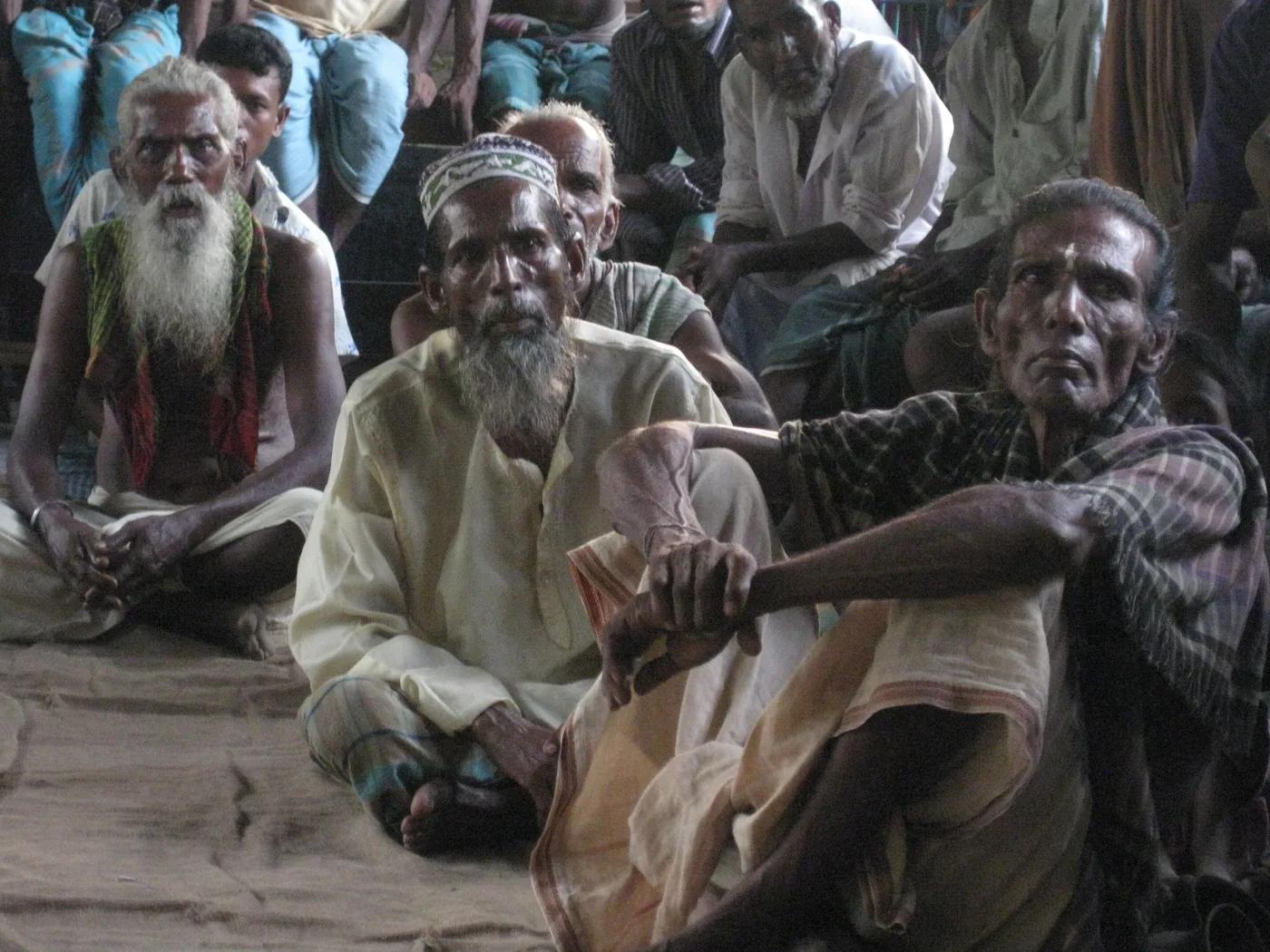
Citizen or Caregiver
Submit functional requirements (step-free ramp, visual guide, sign language, oxygen power). Text or voice input. Operates offline.
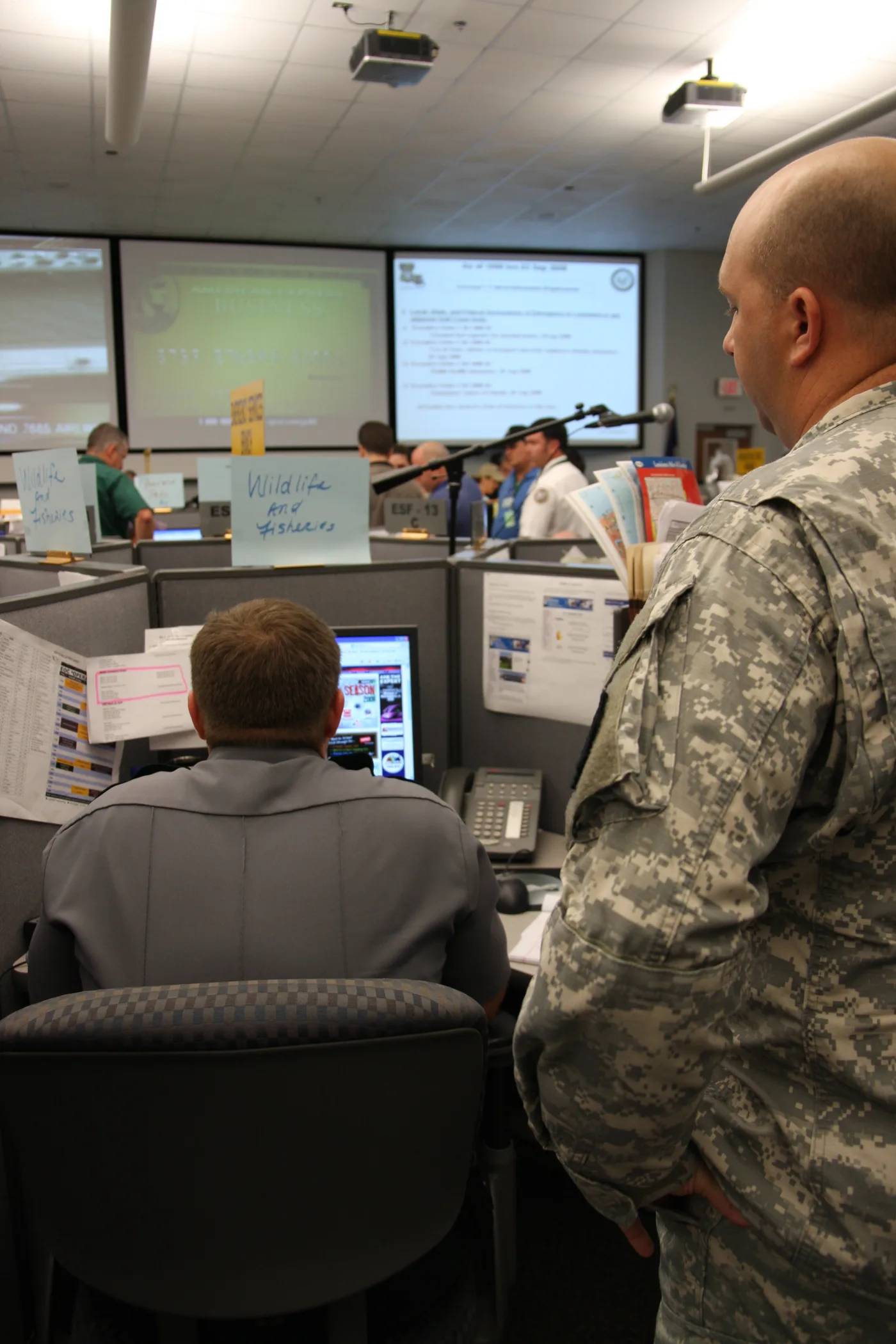
Emergency Coordinator
Monitor live Google Maps GIS sector telemetry, review algorithmic constraint validations, and authorize safe dispatches.
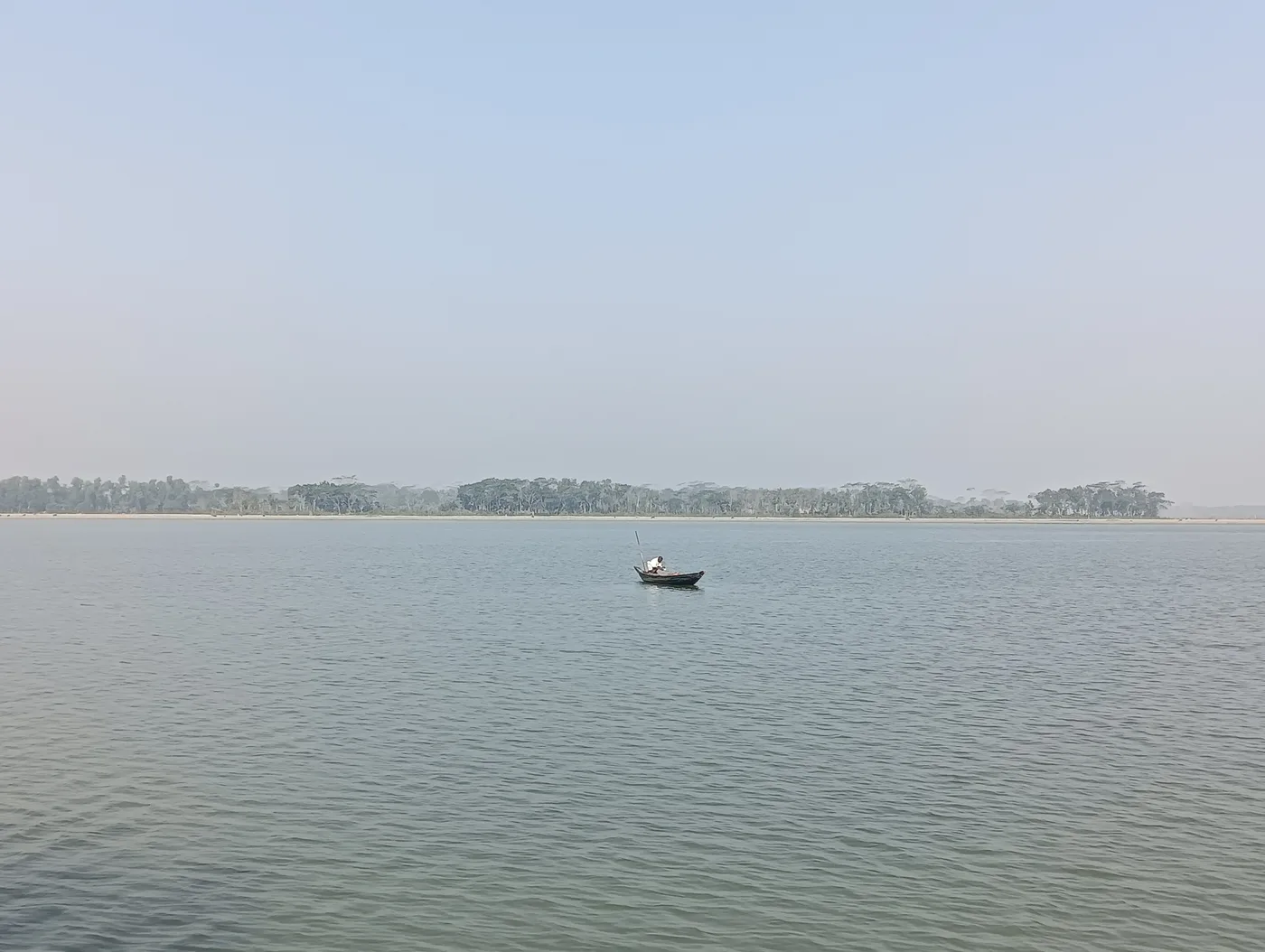
Field Responder
Mobile-first task queue for rescue drivers and volunteer squads: accept assignments, log travel states, and confirm shelter arrival.
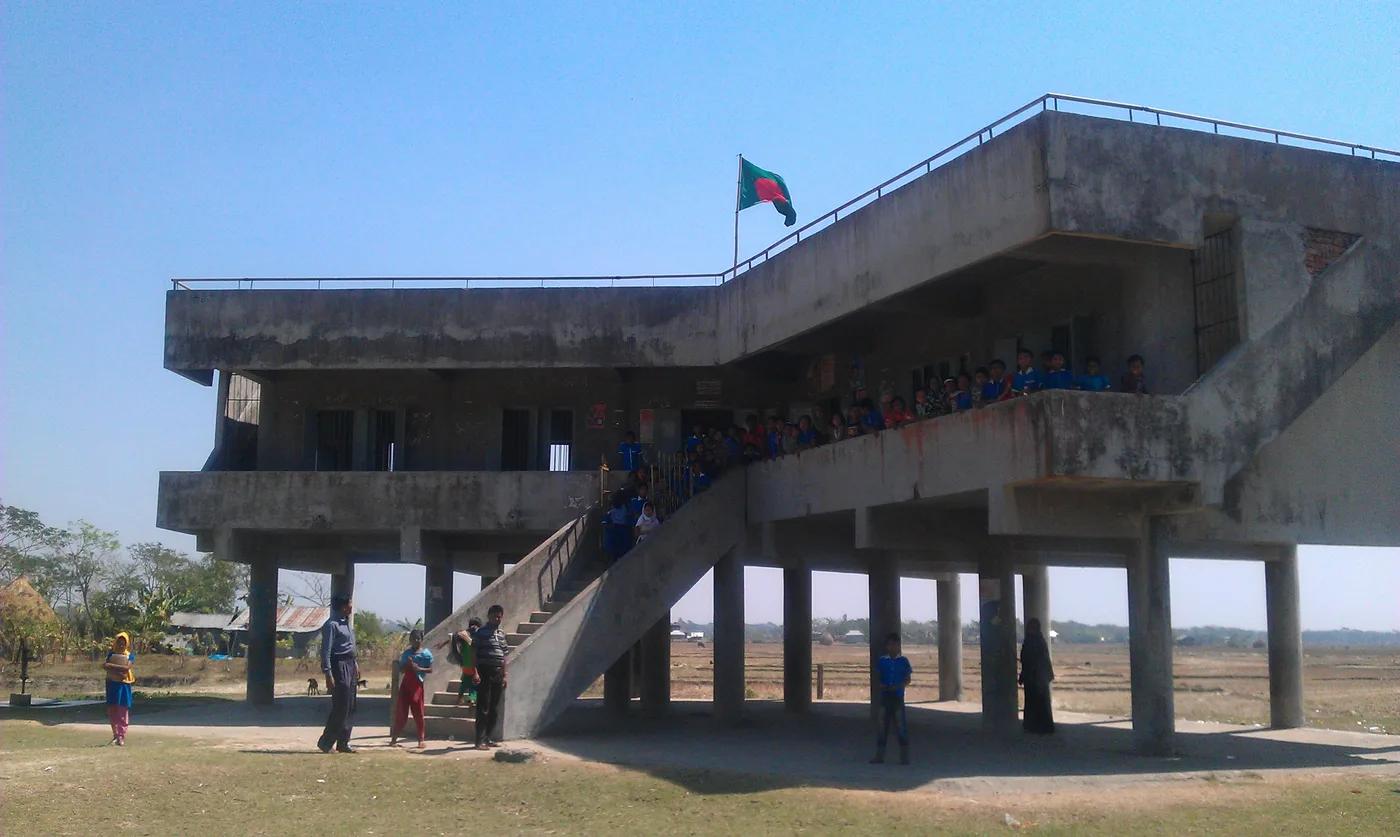
Shelter & Asset Registry
Live verification tracking: step-free ramp slopes, generator capacity, sanitary access, and headroom calculations.
Why Conventional Warnings Leave People Behind
Standard civil defense models assume information broadcast equals evacuation. But for individuals facing mobility, sensory, or electrical life-support barriers, warnings without coordinated assistance result in catastrophic failure.
Generic sirens sound → Broadcast SMS delivered → No accessibility check → Non-ambulatory person stranded at home.
Natural request → AI barrier parsing → 7 physical constraints → Coordinator authorization → Safe arrival verified.
When everyone receives a warning, can everyone actually respond?
Disaster management research demonstrates that early warning sirens and broadcast SMS alone do not guarantee physical safety. A person cannot evacuate if there is no step-free vehicle, no sighted guide, or no accessible shelter within safe reach.
No Personal Disaster Preparedness Plan
84% of surveyed persons with disabilities globally reported having no individual evacuation protocol or designated support person when sudden hazards strike.
Lacked Accessible Disaster Information
Over half of respondents reported that official disaster warnings and risk notifications were not delivered in formats accessible to their functional sensory needs.
Unable to Evacuate Even With Adequate Warning
Nearly one in four would experience major physical difficulty or be entirely unable to evacuate alone without dedicated, accessible transportation.
Field accessibility audits in Khulna and Satkhira revealed that over 70% of concrete shelters lack ramps or exceed the safe 1:12 incline, forcing wheelchair users to be carried or left behind (CDD & PreventionWeb 2022).
During coastal storm surges, individuals with severe physical or sensory impairments experience 2 to 4 times higher injury and mortality rates due to delayed evacuation assistance (NIH PMC12997332).
High-tide coastal inundations submerge earthen roads in Dacope and Paikgachha within 45 minutes of embankment breaches, cutting off standard three-wheelers and ambulances.
Test the end-to-end evacuation coordination workflow
Step through the stages below to see how a Bengali natural-language assistance request is parsed by AI, verified against 7 non-negotiable physical constraints, authorized by a human coordinator, and confirmed upon safe shelter arrival.
From Colloquial Warning to Verified Safe Arrival
Explore how SHONGJOG processes a real-world multilingual emergency request step by step.
“আমার বাবা হুইলচেয়ার ব্যবহার করেন। আমরা তিনজন। আমাদের এমন গাড়ি প্রয়োজন যাতে হুইলচেয়ার নিয়ে ওঠা যায়।”
Translation: “My father uses a wheelchair. We are three persons. We need a vehicle that can board a wheelchair.”
End-to-End Coordination Infrastructure
Click any node in the architectural chain below to inspect its data contract, technology stack, and security controls.
Deterministic Constraint Engine
7 Non-Negotiable Safety Rules
Enforces non-negotiable physical rules: proximity never excuses inaccessibility. Closer walkup shelters with steep stairs are strictly rejected for wheelchair users.
Trust, Verification & Human Oversight
Emergency technologies cannot be blackboxes. SHONGJOG establishes strict boundaries between AI extraction, algorithmic constraint enforcement, and human decision-making.
Citizen requests, informal vehicle offers, or uninspected clubhouses.
Language, group size, and physical accommodation needs parsed from natural text.
Matching validated against shelter headroom and authorized by emergency official.
Shelters and vehicles inspected on-site by DDM or partner engineers for 1:12 ramp and generator backup.
About SHONGJOG (সংযোগ)
SHONGJOG was developed for the CTRL-V 2026 International Hackathon to demonstrate how AI, geospatial GIS routing, and human-in-the-loop civil defense governance can prevent disaster casualties among people with disabilities and older adults.
SHONGJOG operates as an academic and technological proof-of-concept. It does not replace national emergency dispatch hotlines (999/112) and maintains continuous disclosures across all operational screens.
All documentary photography featured across SHONGJOG represents real geography and community resilience in Bangladesh under Creative Commons and Public Domain licenses. Documented in docs/ASSET_CREDITS.md.
Explore the Dacope Coastal Operations Center
Experience the full coordinator command dashboard, inspect active cases on Google Maps, test algorithmic constraints, and review immutable dispatch audit logs.